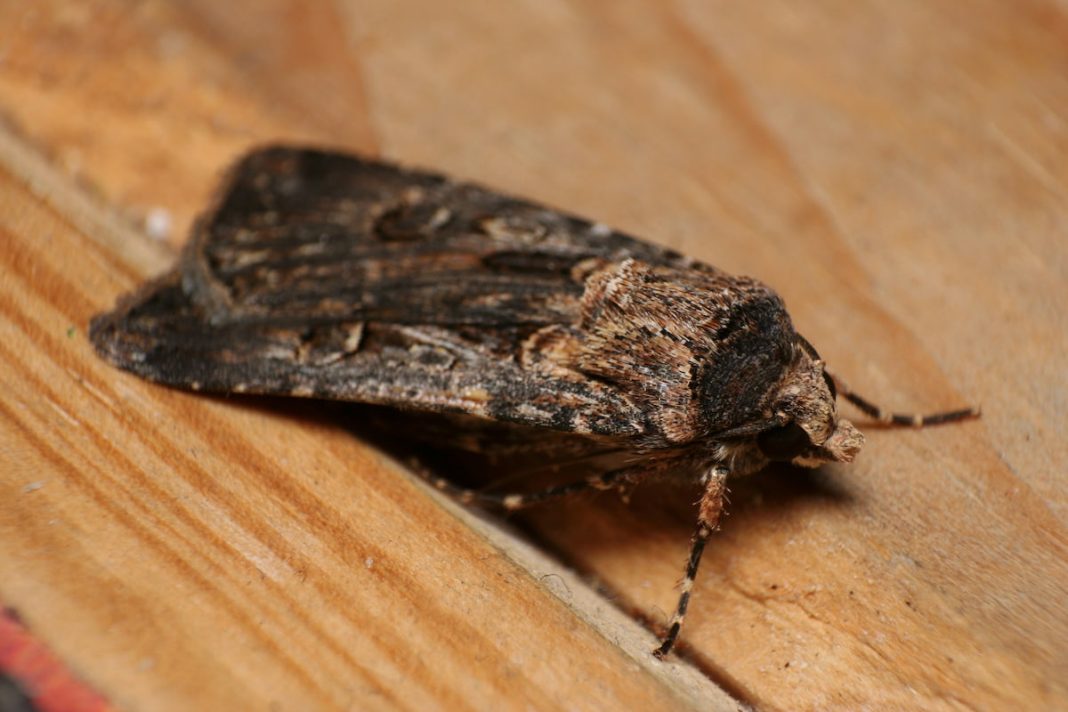
If you’ve noticed more moths fluttering around Canberra in recent weeks, you’re certainly not alone.
Bogong moths have been making their annual spring migration through the capital, with their increased presence offering an encouraging sign after years of dramatic population declines.
And it seems Canberrans are curious about why so many moths all of a sudden, with many turning to Google for answers.
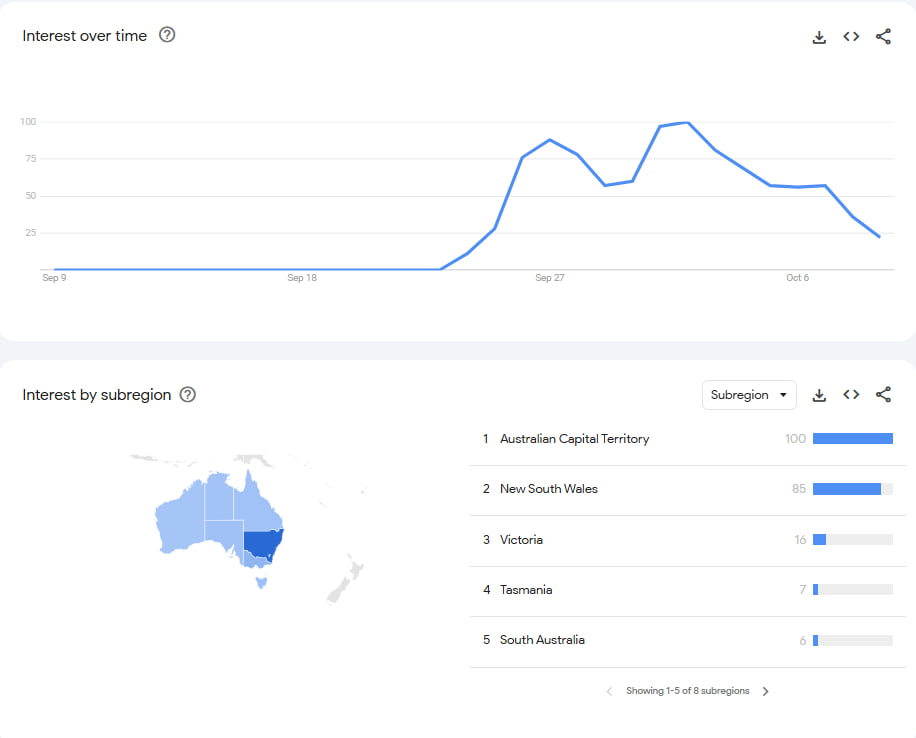
Data from Google Trends reveals the ACT recorded the highest relative search interest for Bogong moths in Australia over the selected period, ahead of NSW and Victoria.
The ACT topped Google’s search interest scale with a score of 100, followed by NSW at 85 and Victoria at 16. Search interest rose sharply in late September before reaching its peak in early October.
Each spring, Bogong moths migrate hundreds of kilometres from their breeding grounds in southern Queensland, NSW and western Victoria to the cooler caves of the Australian Alps, where they shelter from the summer heat before returning north in autumn.
Canberra lies along their migration route, making the moths a familiar sight in homes, gardens and around outdoor lights each spring.
Their return is particularly significant following a dramatic decline in numbers in recent years, with the species classified as endangered on the IUCN Red List in 2021.
While the moths can be an unwelcome visitor inside homes, they are harmless to people and play an important role in the environment. People who find Bogong moths indoors should gently release them outside and reduce unnecessary outdoor lighting to help them continue their journey.
This content is part of a paid partnership with Google to promote Google Trends.