Should you treat your veins in the winter or summer? Before or after pregnancy? When can you plan to go on a trip? Here’s how these factors can influence your recovery, complications, vein condition, and more.
Treat your veins in colder months
While you can still treat varicose veins in the summer, the colder weather in winter, late autumn, and early spring makes recovery more comfortable.
- It will be easier to wear your compression stockings (if your specialist advises them).
- Cold weather can also reduce some post-treatment side effects, like swelling and aches.
- You’ll also find it much easier to keep the treated area out of the sun.
Additionally, treating your legs before summer will let you avoid putting them throughworsening discomfort associated with heat dilation.
Don’t plan long-haul flights after vein treatment
Per the Australasian College of Phlebology (ACP), you should avoid long hours of sitting and standing after treatment. Hence, we recommend avoiding flights of 5 hours or more for 2-3 weeks after your procedure. The dehydrating air in an aeroplane, a lack of movement, and increased cabin pressure can cause discomfort in the treatment site and even complicate recovery.
Hence, if you’ve planned a holiday or have an upcoming business trip, it’s best to book your treatment 3 weeks before or in the days after.
You should also keep in mind that you may need to come in for a follow-up treatment (for example, sclerotherapy after laser ablation to clear up any smaller varicose vein branches). You will also need to come in for a check-up around 4-6 weeks after your treatment so we can assess your healing progress.
Treat varicose veins before, after, or in between pregnancies
During pregnancy, veins dilate to increase the blood supply to your growing baby. According to the ACP, these changes may worsen existing varicose veins. Ideally, you should treat existing varicose veins before you start trying for a baby, as they can compound into worse leg pain, restlessness, and swelling. They may also further increase the risk of DVT.
Specialists often advise against treating varicose veins during pregnancy or breastfeeding, as it can cause complications.
The good news is that if varicose veins develop during your pregnancy, they may just disappear on their own within 6 months. During pregnancy, your blood volume and progesterone levels increase to supply blood flow to the baby. Once those levels return to normal, your veins may return to normal, too. If they don’t, however, you should seek specialist advice – especially if you’re planning on another child.
Get assessed when they’re bothering you
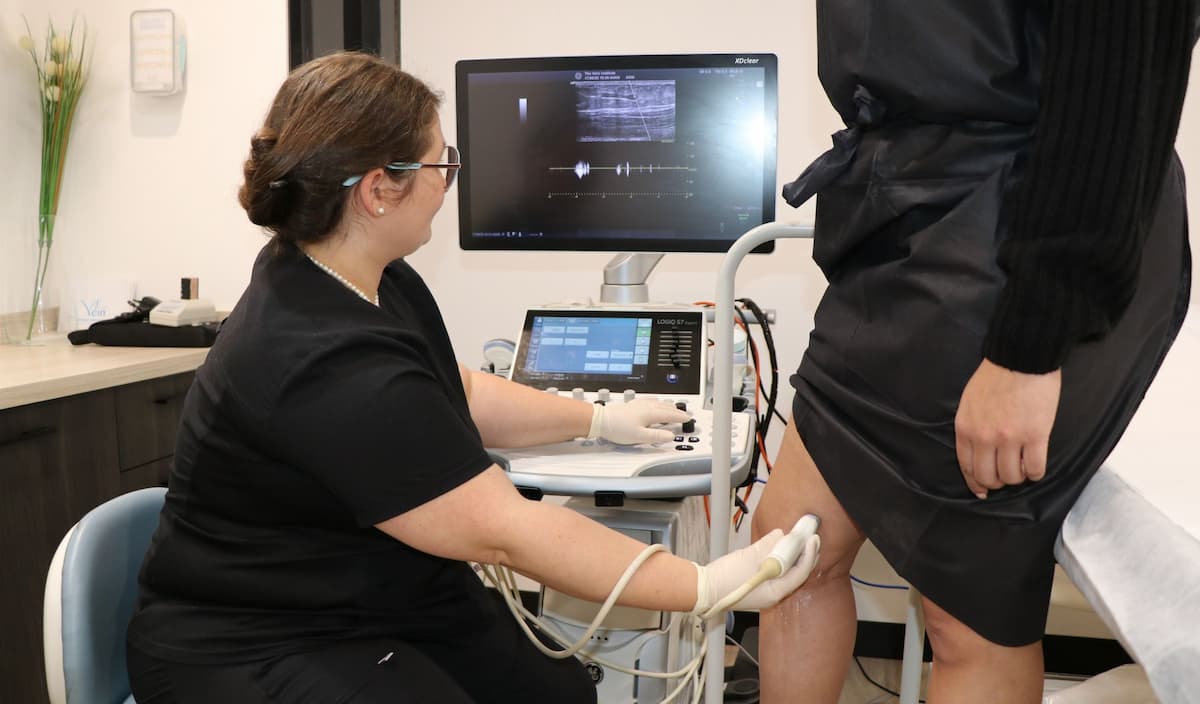
Last but not least, you should always get varicose veins assessed when they’re causing pain, swelling, itching, and restless nights. Even if your specialist advises delaying treatment until after a trip or having your baby, they can recommend a conservative management plan tailored to your condition and circumstances. The plan may involve:
- Wearing compression stockings
- Doing more mild to moderate intensity exercise
- Avoiding certain strenuous activities
- Staying hydrated
Seek specialist advice
You should always plan your varicose vein treatments around pregnancies and travel plans for the best possible results and to avoid potential complications. However, you don’t need to wait for winter to get treated – if your veins bother you during the summer months, you should have them addressed.
The Vein Institute
1 Elouera St, Unit 10, Braddon ACT 2612