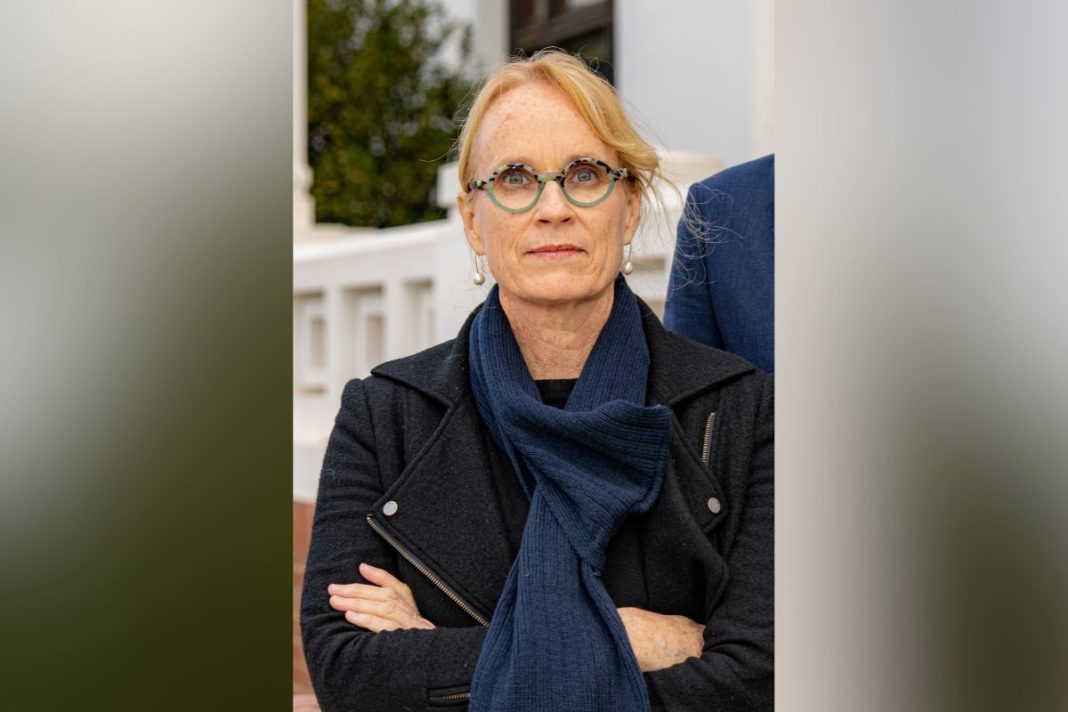
Canberra is often considered one of Australia’s most affluent cities, but the St Vincent de Paul Society Canberra/Goulburn says more working people and families who never imagined they would ever need to seek help are turning to the charity.
Last year, Vinnies received more than 20,000 calls for assistance – one in three came from people seeking help for the first time.
“[They are] doing everything we traditionally associate with financial security,” CEO Lucy Hohnen said.
“They may have two jobs in their household, but they can’t make ends meet – so they’re making really difficult choices around paying the mortgage, paying the rent, being able to put food on the table, going without medicine, or going without visits to the doctor.
“They’re having to make these judgments all the time; they’re getting to the end of those options and coming to us. By the time they contact Vinnies, people are at the end of their tether.”
Food is the main reason people contact Vinnies; the charity provided more than 63,000 meals last year.
Others want help paying for fuel, bills, medical appointments, and medicines.
Vinnies says cost-of-living pressures, rising housing costs, inadequate income, grocery bills, and power prices can push households to breaking point.
“For many people, it only takes one unexpected bill, a rent increase, or a change in circumstances to tip them into crisis,” Ms Hohnen said.
“Poverty doesn’t always look the way people expect. Behind the statistics are parents skipping meals so their children can eat, people delaying medical appointments because they can’t afford the gap payment, and families going without heating or cooling to make sure the rent is paid. These are the realities we are seeing every day through our services.”
During Anti-Poverty Week, Vinnies is calling for Australia to legislate official income-based and multidimensional measures of poverty; set national poverty-reduction targets; increase the base rate of working-age payments (particularly Parenting Payment Single); and invest in stable public housing.
Australia’s poverty estimates are based on household income, using a poverty line of 50 per cent of median household after-tax income, Vinnies states. That equates to $584 a week for a single adult or $1,226 a week for a couple with two children. People in households below the poverty line had incomes averaging $390 per week below it after deducting their housing costs.
“Measuring poverty establishes a credible baseline, supports accountability, and helps us all direct policy and investment to what works,” Ms Hohnen said.
“No one should have to choose between keeping a roof over their head and putting food on the table. Everyone deserves a safe place to call home, enough to meet their basic needs and the opportunity to live with dignity and feel part of their community.”
Ms Hohnen encouraged people who were struggling to contact Vinnies. Those wanting to help could volunteer or donate.
“[Hardship] is not an individual failing: it’s a structural and societal failing that we have people in this situation,” Ms Hohnen said. “Don’t judge those who have found themselves in these really difficult situations. It could happen to anybody.”